
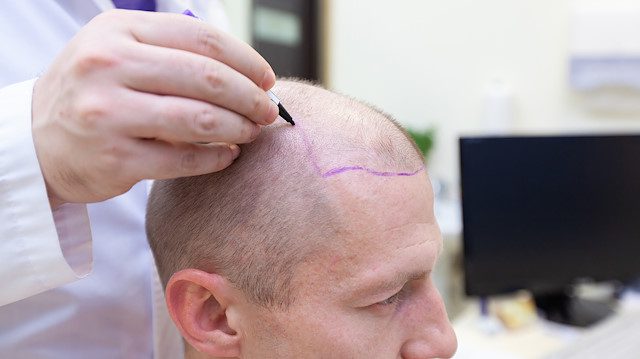
Undergoing a hair transplant is not just a one-day procedure—it’s a biological healing process that unfolds over weeks and months. While most patients focus on graft count, technique, and hairline design, daily habits after surgery play a critical role in how well those grafts survive and how natural the final result looks. Among those habits, smoking and alcohol consumption are two of the most commonly underestimated factors.
Many patients ask whether they really need to stop smoking or avoid alcohol after a hair transplant, especially if they only drink socially or smoke “just a few” cigarettes a day. The honest answer is that both habits can interfere with healing at exactly the time when your scalp needs optimal blood flow, oxygen, and cellular repair. This article explains why smoking and alcohol matter after a hair transplant, how long they should be avoided, what the real risks are, and how to plan your recovery realistically.
Smoking and Alcohol After Hair Transplant: How They Affect Healing and Results
After a hair transplant, newly implanted grafts depend entirely on the body’s ability to heal. In the first days, grafts survive by absorbing nutrients and oxygen from surrounding tissue. Over the following weeks, they establish their own blood supply through a process called revascularization. Anything that interferes with circulation, oxygen delivery, or immune response can reduce graft survival and slow recovery.
Both smoking and alcohol negatively affect these exact systems:
- Smoking constricts blood vessels and reduces oxygen delivery
- Alcohol causes dehydration, inflammation, and blood vessel instability
- Both can increase swelling, delay wound healing, and worsen scarring
- Both can indirectly increase the risk of infection and poor graft anchoring
This does not mean that one cigarette or one drink guarantees failure—but it does mean that regular use during the early healing phase raises avoidable risk. Clinics recommend avoidance not to be strict, but to protect the investment you’ve just made in your hair.
1) How Smoking Affects Hair Transplant Healing and Graft Survival
Smoking is one of the most damaging habits during surgical recovery, especially for procedures that rely heavily on microcirculation—like hair transplantation.
Reduced blood flow and oxygen delivery
Nicotine causes blood vessels to constrict. When vessels narrow, less oxygen and fewer nutrients reach the scalp. Hair grafts are extremely sensitive in the early phase; even small reductions in oxygenation can compromise their ability to anchor and survive.
Carbon monoxide in cigarette smoke also reduces the blood’s oxygen-carrying capacity. That means even if blood reaches the scalp, it may carry less usable oxygen to healing tissue.
Delayed wound healing
Smoking interferes with collagen production and immune response. This can lead to:
- Slower closure of extraction and implantation sites
- Prolonged redness or crusting
- Increased irritation or discomfort
- Less efficient tissue repair
Delayed healing doesn’t always mean graft failure, but it can increase inflammation and prolong recovery.
Increased risk of graft loss and poor growth
When blood flow is compromised repeatedly, some grafts may not survive the critical early days. Others may survive but grow more weakly. This can translate into:
- Lower overall density
- Patchier regrowth
- Slower appearance of results
Donor area concerns
Smoking doesn’t only affect the recipient area. The donor zone also relies on good circulation for clean healing. In smokers, the donor area may:
- Heal more slowly
- Show prolonged redness
- Have a higher chance of visible scarring or texture changes
“Light” or social smoking still matters
Many patients assume that a few cigarettes a day won’t make a difference. While risk increases with amount, there is no safe smoking window during early graft healing. Even intermittent nicotine exposure can repeatedly disrupt blood flow when grafts are most vulnerable.
2) How Alcohol Affects Recovery After a Hair Transplant
Alcohol is often viewed as less harmful than smoking, but it can still interfere with post-transplant healing—especially when consumed too early or too frequently.
Dehydration and fluid imbalance
Alcohol is a diuretic, meaning it increases fluid loss. Dehydration can:
- Dry out the scalp
- Increase tightness and discomfort
- Slow cellular repair
- Make scabbing and flaking worse
Hydration is essential for healing skin and supporting new blood vessel formation around grafts.
Increased swelling and inflammation
Alcohol causes blood vessels to dilate. While that may sound beneficial, it can actually:
- Increase post-operative swelling (especially in the forehead and face)
- Prolong inflammation
- Make the scalp more sensitive
Swelling is not dangerous by itself, but excessive or prolonged swelling can increase discomfort and tension around grafts.
Interaction with medications
After a hair transplant, patients may be prescribed or advised to use:
- Antibiotics
- Anti-inflammatory medications
- Pain relievers
Alcohol can interact with these medications, increasing side effects or reducing effectiveness. Mixing alcohol with certain painkillers can also stress the liver.
Increased bleeding risk
Alcohol can temporarily thin the blood and raise blood pressure. This can increase the chance of:
- Minor bleeding from recipient or donor sites
- Disruption of fragile early grafts
- Prolonged oozing during the first days
Behavioral risks
Alcohol also lowers inhibition. This matters more than people expect. Drinking can lead to:
- Touching or scratching the scalp
- Falling asleep in poor positions
- Forgetting aftercare instructions
- Accidental bumps or friction
These indirect risks are a major reason clinics advise avoiding alcohol early on.
3) How Long Should You Avoid Smoking and Alcohol?
This is one of the most common questions, and recommendations vary slightly by clinic. However, general timelines are fairly consistent.
Smoking: recommended timeline
- Before surgery: Ideally stop at least 7–14 days before the procedure
- After surgery: Avoid smoking for at least 7–14 days, with many clinics strongly recommending 3–4 weeks
The longer you avoid smoking, the better the conditions for graft survival and healing. Some patients use the transplant as a turning point to quit entirely, which benefits both hair and overall health.
Alcohol: recommended timeline
- Before surgery: Avoid alcohol for 48–72 hours
- After surgery: Avoid alcohol for at least 7 days, and preferably 10–14 days
After the first two weeks, occasional moderate drinking is usually less risky, but heavy or frequent alcohol use can still slow overall recovery.
Why the first two weeks matter most
The first 10–14 days are critical because:
- Grafts are not yet fully anchored
- Blood supply is still stabilizing
- Skin is actively repairing micro-incisions
After this phase, risks gradually decrease—but healthy habits continue to support better growth quality.
4) What Happens If You Don’t Fully Stop?
Not every patient follows instructions perfectly, and not every deviation leads to failure. But understanding the trade-offs helps you make informed decisions.
Occasional lapse vs regular use
- One cigarette or one drink: unlikely to ruin a transplant, but still not ideal
- Daily smoking or frequent drinking: significantly increases cumulative risk
Hair transplant outcomes are influenced by repeated exposure. Consistency matters more than single events.
Possible consequences
Patients who continue smoking or drinking heavily during recovery may experience:
- Slower healing
- More pronounced redness or irritation
- Lower graft survival in some areas
- Less robust regrowth over time
These effects are not always dramatic or immediate—but they can subtly reduce the final quality of results.
Why clinics emphasize avoidance
Surgeons recommend strict aftercare because:
- They cannot control what happens after you leave
- Graft survival margins can be narrow
- Results depend on minimizing preventable risks
From a medical perspective, avoiding smoking and alcohol is one of the simplest ways to protect your outcome.
5) Practical Tips to Get Through Recovery Without Smoking or Alcohol
For many people, the challenge is not understanding the rule—it’s following it. Here are realistic strategies that help.
Plan ahead
- Remove cigarettes and alcohol from your home before surgery
- Stock up on non-alcoholic drinks you enjoy
- Inform close friends or family so they don’t pressure you socially
Manage cravings and habits
- Stay well-hydrated
- Use sugar-free gum or healthy snacks
- Keep your hands busy (reading, light walks, hobbies)
- Avoid social settings centered around drinking or smoking during the first week
Use the recovery period as a reset
Some patients find that the forced break helps them:
- Reduce or quit smoking long-term
- Reevaluate drinking habits
- Improve sleep and nutrition
Even temporary changes can have lasting benefits for hair and general health.
Focus on the bigger picture
A hair transplant is a long-term investment. Sacrificing cigarettes or alcohol for a few weeks is minor compared to:
- Years of improved appearance
- Better confidence
- Reduced need for corrective procedures
Framing it this way often makes short-term discipline easier.
Final Thoughts: Is It Really That Important?
Yes—smoking and alcohol use after a hair transplant truly matter, especially in the early healing phase. They don’t guarantee failure, but they increase unnecessary risk at the exact time your grafts need ideal conditions to survive and grow.
Avoiding smoking improves blood flow and oxygen delivery. Avoiding alcohol supports hydration, reduces swelling, and prevents behavioral mistakes. Together, these choices help ensure that the thousands of tiny grafts placed during your procedure have the best chance to become permanent, healthy hair.
If you’re planning a transplant, think of aftercare as part of the procedure—not an optional add-on. The surgery creates the opportunity; your habits determine how fully that opportunity is realized.