
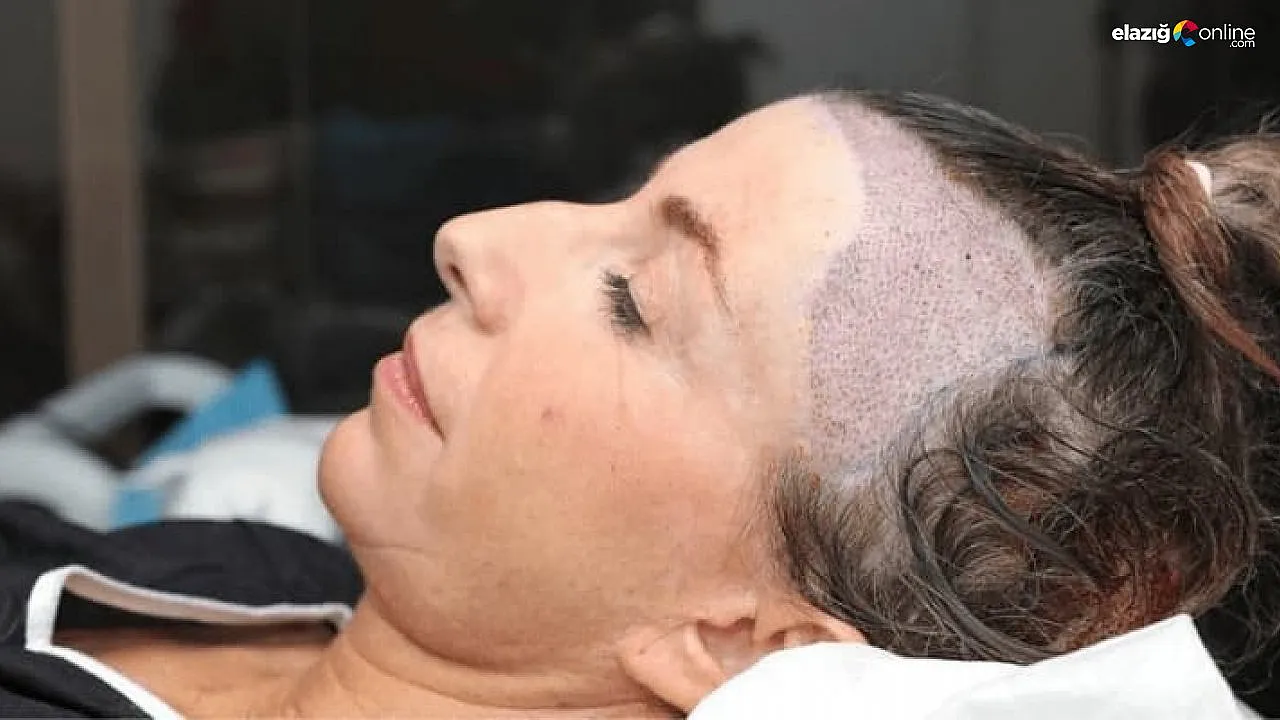
Hair transplantation is often discussed as if it’s a one-size-fits-all procedure, but in real clinical practice, the plan should look very different depending on the person sitting in the chair. One of the most common questions patients ask is whether hair transplants are performed differently for women and men—and the short answer is yes, they often are. The differences are not about “male vs female” as labels, but about hair loss patterns, donor management, styling goals, hormonal influences, and the need to protect existing hair.
If you search online, you’ll find plenty of oversimplified claims—like “women can’t get hair transplants” or “men are always better candidates.” Neither is true. Women can be excellent candidates, and men can be poor candidates if their loss pattern is unstable or their donor area is limited. What matters is the diagnosis and the design. This article explains how hair transplants differ for women and men, what stays the same, and how to evaluate whether a clinic is tailoring the procedure properly.
Are Hair Transplants Done Differently for Women and Men?
In many cases, yes—the surgical tools may be similar, but the strategy is often different. The procedure can involve the same core techniques (FUE, FUT, DHI, or combinations), yet the planning, graft distribution, hairline design, shaving approach, and risk management can change significantly.
Here are the most important reasons why:
- Men more commonly have patterned recession and crown thinning associated with androgenetic alopecia, which tends to follow recognizable stages.
- Women more commonly experience diffuse thinning, widening of the part line, or density loss behind the hairline while the frontal hairline remains relatively preserved.
- Women frequently want to avoid full shaving and prioritize cosmetic discretion, while men may be more open to shaving for large sessions.
- The risk of shock loss (temporary shedding of existing hairs) can be more relevant in diffuse thinning cases—more common among women but also present in some men.
- Long-term planning differs because progression patterns and future loss expectations can vary.
So while both women and men can undergo the same surgical “type,” the best clinics treat them as different design problems that require individualized planning.
1) Hair Loss Patterns: The Biggest Reason Strategies Differ
Male-pattern hair loss tends to be predictable
Most men seeking hair transplantation have androgenetic alopecia that follows a fairly classic pattern:
- Receding temples and frontal hairline
- Thinning in the mid-scalp
- Crown loss that expands over time
Because the progression is often more predictable, surgeons can:
- Rebuild a hairline that matches the patient’s age and future risk
- Allocate grafts to frontal and mid-scalp first (where cosmetic impact is highest)
- Plan for future sessions if crown loss progresses
That said, “predictable” doesn’t mean “stable.” A good clinic still evaluates whether the hair loss is actively progressing and whether medical stabilization is appropriate before surgery.
Female-pattern hair loss is often diffuse
Many women present with:
- Diffuse thinning across the top (vertex and mid-scalp)
- A widening part line
- Overall density reduction rather than bald patches
- Hairline that remains relatively intact (though not always)
Diffuse thinning changes the transplant strategy because:
- There may be fewer “bald” areas to fill—more of the work is adding density
- Existing native hairs are interspersed throughout the recipient zone
- There is a higher need for careful placement to avoid damaging existing follicles
- The donor area must be assessed more cautiously (some women have diffuse thinning in the donor region too, which can limit safe graft harvesting)
Practical takeaway: Men often need redistribution of hairline and coverage, while women often need density enhancement without harming existing hair.
2) Hairline Design and Aesthetic Goals: Subtle but Crucial Differences
Male hairlines are typically designed to be mature, not “too low”
In men, a natural result usually means:
- An age-appropriate hairline (not overly low or straight)
- Softer, irregular transitions at the front
- Strategic temple work depending on facial structure and donor availability
A common mistake is building a very low, youthful hairline that looks unnatural later—especially if future hair loss progresses behind it. For men, hairline design must anticipate long-term pattern changes.
Female hairlines often prioritize preserving a natural frame
For many women, the goal is not a dramatically lower hairline but:
- Restoring density along the frontal zone
- Filling temporal thinning that affects styling
- Strengthening the part line
- Supporting hairstyles like ponytails and updos without visible scalp
Women’s hairlines can appear more variable naturally, and many patients want the hairline to remain soft and “untouched,” while improving density behind it. In other cases—especially with traction alopecia or certain hairline recession patterns—women may want more direct hairline restoration, but it’s typically approached with very careful graft selection and placement.
Practical takeaway: Men often want a reconstructed hairline and front-to-mid coverage; women often want density that supports styling and disguises scalp visibility.
3) Donor Area Management and Shaving: A Major Practical Difference
Men are more commonly fully shaved for large sessions
Many male patients undergo:
- Full donor shaving for efficient extraction
- Recipient shaving for large implantation zones
This can make it easier to:
- Extract large numbers of grafts efficiently
- Place grafts uniformly
- Maintain workflow speed (important for graft survival in big sessions)
Women often prefer minimal shaving or “hidden” shaving
Women may prioritize discretion and faster social recovery, so clinics often offer:
- Unshaven or partially shaved techniques (depending on graft count and hair characteristics)
- Donor shaving in a concealed strip under longer hair
- Recipient-area minimal shaving to keep styling options during early healing
However, unshaven approaches can:
- Limit the maximum graft count in one session
- Increase procedure time
- Require a team with specific experience in working through longer hair
Practical takeaway: Women’s plans often prioritize minimal shaving and cosmetic privacy, while men’s plans often prioritize high graft counts and efficient coverage—though individual preferences vary.
4) Graft Distribution, Density Planning, and Shock Loss Risk
Density goals are calculated differently in women vs men
In men, surgeons often focus on:
- High-impact frontal density
- Creating an illusion of fullness through careful angle and distribution
- Prioritizing hairline and mid-scalp before crown
In women, density planning often considers:
- Diffuse thinning across larger areas
- The need to avoid “overpacking” that might compromise blood supply or increase trauma
- Strategic distribution to reduce scalp show-through, especially along the part line
Shock loss can be a bigger concern in diffuse thinning
Shock loss is temporary shedding triggered by surgical stress. It can happen in both women and men, but it’s often more relevant when:
- There are many existing native hairs in the recipient area (common in diffuse thinning)
- The existing hairs are miniaturized and fragile
- The scalp is sensitive or inflamed
- The patient has a history of telogen effluvium episodes
A skilled clinic reduces risk by:
- Using careful site creation and implantation technique
- Managing density intelligently
- Avoiding unnecessary trauma
- Discussing medical stabilization when appropriate
Practical takeaway: Women frequently need “density blending” among existing hairs, which requires extra care to protect native follicles.
5) Diagnosis, Hormones, and Medical Evaluation: Often More Complex for Women
This section is important because some women are told they’re “not candidates” when the real issue is that the diagnosis hasn’t been properly clarified.
Women often need a deeper diagnosis before surgery
Female hair loss can have multiple contributors, such as:
- Androgenetic alopecia (female-pattern hair loss)
- Telogen effluvium (stress-related or triggered shedding)
- Thyroid issues
- Iron deficiency or other nutritional deficiencies
- Postpartum shedding
- Traction alopecia from hairstyles
- Autoimmune or inflammatory scalp conditions
Not all of these are solved by transplantation. For example:
- Transplanting during active telogen effluvium may be disappointing because ongoing shedding can obscure results.
- If the donor area is also thinning (diffuse unpatterned alopecia), harvesting grafts may not be safe long-term.
- Some inflammatory or scarring conditions require specialist management before considering surgery.
Men also need evaluation—but the checklist can be simpler
Men can also have:
- Diffuse thinning
- Scalp inflammation
- Medication considerations
- Rapid progression that requires a long-term plan
But statistically, male-pattern hair loss often fits a clearer pattern, making surgical planning more straightforward. Still, a responsible clinic should assess stability and future progression for every patient.
Practical takeaway: The biggest difference is that women often require more diagnostic work upfront to confirm the cause, stability, and donor safety.
What Stays the Same: The Universal Principles of a Good Hair Transplant
Despite differences in strategy, the pillars of success are consistent for everyone:
- Proper candidacy assessment (donor quality, scalp health, realistic expectations)
- Natural design (angles, direction, graft selection)
- Gentle handling of grafts (minimizing time out of the body, proper storage, careful placement)
- Safe graft counts (avoiding overharvesting the donor zone)
- Clear aftercare instructions and follow-up
- Long-term planning (especially for progressive hair loss)
If a clinic treats women and men identically without acknowledging differences in hair loss patterns, shaving preferences, and diagnostic needs, that’s a warning sign. The best clinics customize the plan—even when they use the same tools.
How to Choose the Right Clinic for Women or Men
Instead of focusing only on technique names (FUE, DHI, etc.), ask questions that reveal whether the clinic is tailoring the plan:
- What is my diagnosis and hair loss pattern?
- Is my donor area stable and strong enough?
- How will you design density for my styling goals?
- Who performs extraction and implantation?
- What shaving approach will you use and why?
- What is the plan to minimize shock loss?
- How will you plan for future hair loss progression?
- Can I see results on patients with my hair type and pattern?
A clinic that answers these clearly is more likely to deliver a natural, sustainable result than one that relies on marketing claims.
Final Thoughts
So, are hair transplants done differently for women and men? In many cases, yes—but not because the biology is “binary.” They’re done differently because the most common hair loss patterns, aesthetic priorities, shaving preferences, and diagnostic considerations differ. Men often need structured hairline reconstruction and coverage planning across predictable zones. Women often need careful density enhancement within diffuse thinning patterns, with a stronger emphasis on protecting existing hair, preserving cosmetic discretion, and confirming a stable diagnosis.
The best way to get the right outcome is to choose a clinic that treats your transplant as a personalized design and medical decision—not a one-method-fits-all package. If you want, tell me whether your concern is hairline, part line, crown, or overall thinning—and I can suggest what an ideal consultation plan should include and what red flags to avoid.