
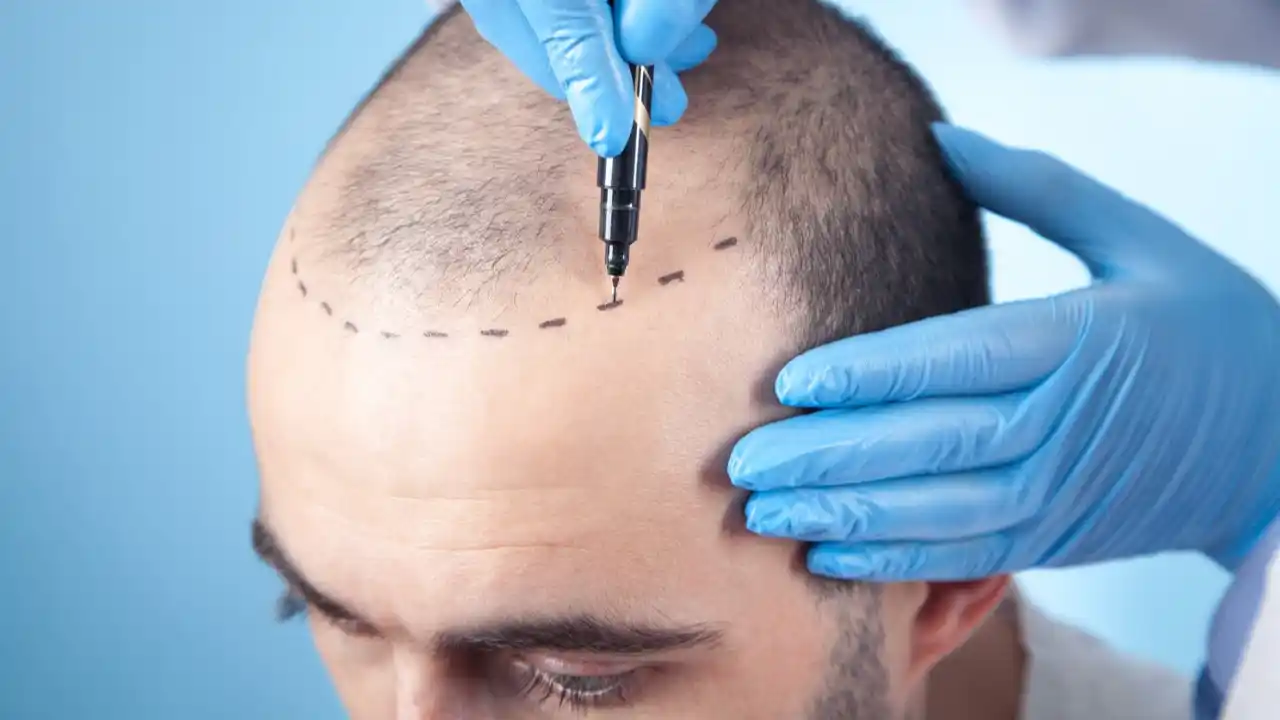
Hair restoration is a journey, and the weeks right after surgery can feel emotionally loud: you’re watching the mirror for change, scanning the hairline, counting shed hairs in the shower, and wondering what’s “normal.” One of the most common surprises is hair transplant shock loss—a temporary shedding phase that can look alarming even when everything is progressing exactly as it should.
If you’ve noticed new shedding in the recipient area (where grafts were placed) or the donor area (where grafts were taken), you’re not alone. Hair transplant shock loss is widely reported after both FUE and FUT procedures, and in most cases it’s a short-term reaction to surgical stress rather than a sign that your transplant “failed.” Understanding what’s happening under the skin can make this stage far less stressful and help you support a smoother regrowth phase.
What Is Hair Transplant Shock Loss?
Hair transplant shock loss refers to sudden, temporary shedding of hair following a transplant procedure. It can involve:
- Transplanted hairs (the short shafts you see emerging from newly placed grafts)
- Native hairs (your original hairs surrounding the transplant sites)
- Donor-area hairs (less common, but possible due to extraction trauma, swelling, or inflammation)
A key point: hair transplant shock loss usually affects the visible hair shaft—not the long-term ability of follicles to grow. In other words, the “hair you see” may fall out while the follicle (the living part under the skin) remains intact and capable of producing a new hair.
There are two patterns people describe:
- Shedding of transplanted hairs: This is extremely common. The grafted follicles survive, but the hair shafts they carried often fall out as the scalp transitions through healing.
- Shedding of native hairs: This can happen when existing follicles near the treated areas are temporarily pushed into a resting phase. It tends to worry patients more because it can make the overall density look worse before it looks better.
It’s also helpful to separate shock loss from other normal post-op events. Scabbing, redness, mild swelling, itching, and short-term sensitivity can be part of healing. Hair transplant shock loss specifically refers to the shedding phase that can begin after initial recovery, often right when you thought you were “past the hard part.”
Why Hair Transplant Shock Loss Happens
At its core, hair transplant shock loss is a stress response. Hair follicles cycle through growth (anagen), transition (catagen), rest (telogen), and shedding (exogen). Surgical procedures can shock some follicles into the resting phase earlier than they would naturally go.
Common contributors include:
1) Surgical micro-trauma and inflammation
Even with the most advanced techniques, transplantation involves tiny incisions in the recipient area and extractions in the donor area. The scalp reacts with localized inflammation and changes in blood flow. In susceptible follicles, that temporary disruption can trigger hair transplant shock loss.
2) Temporary changes in blood supply
Grafts rely on re-establishing microcirculation. Meanwhile, native hairs around the incisions may experience short-term shifts in oxygenation and nutrient delivery. For some patients, this becomes the “push” into shedding associated with hair transplant shock loss.
3) Swelling and mechanical stress
Swelling, tightness, and post-op tension can increase sensitivity and compress local tissues. Also, rubbing, scratching, aggressive washing, and friction from hats can amplify shedding. While these don’t “cause” hair transplant shock loss by themselves, they can worsen how dramatic it appears.
4) Existing miniaturization (androgenetic alopecia)
Native hairs that are already thinning are more vulnerable. If your surrounding hairs are miniaturized, the stress of surgery can make them shed more easily, which is why hair transplant shock loss may look worse in areas of active hair loss.
5) Stress hormones and systemic factors
Sleep disruption, anxiety, rapid return to intense exercise, smoking, poor nutrition, and unmanaged scalp conditions can all influence the scalp environment. Again, these aren’t the single cause—but they can increase the likelihood or intensity of hair transplant shock loss.
The reassuring truth is that, in most cases, follicles are “resetting,” not dying. The visible loss can feel dramatic, but it often reflects a temporary shift in the hair cycle rather than permanent damage.
Timeline: When It Starts and When It Stops
The timing of hair transplant shock loss is one of the biggest clues that what you’re seeing is normal.
Days 1–10: Early healing
Scabs form, redness settles gradually, and the scalp may feel tight or itchy. Most people are not shedding significantly yet, though a few hairs may come out with scabs or during careful washing.
Weeks 2–6: Classic shock loss window
This is when hair transplant shock loss most commonly becomes noticeable. Many patients see grafted hairs fall out in the recipient zone. Some also notice thinning of nearby native hairs. The appearance can be discouraging, but it’s often part of the process.
Months 2–3: The “ugly duckling” phase
Shedding typically slows. The scalp may look sparse or patchy. If you’re experiencing hair transplant shock loss, this period can be psychologically challenging because you’ve healed, but the hair hasn’t “arrived” yet.
Months 3–6: Regrowth begins
New hairs start to emerge. Early regrowth is often fine, lighter in color, or slightly wiry. Over time, texture and thickness usually improve. For many, hair transplant shock loss feels like a distant memory by this stage, though density may still be developing.
Months 6–12 (and sometimes 18): Maturation and density
Hair becomes more robust and styling options expand. Final results vary by individual, graft count, hair caliber, and technique, but it’s common for the most satisfying density changes to appear later rather than earlier.
A useful mindset: hair transplant shock loss is often the bridge between healing and growth. The shed hair is not the final result—it’s a transitional chapter.
What You Can Do to Minimize Shedding and Support Regrowth
You can’t always prevent hair transplant shock loss, but you can reduce avoidable triggers and create the best scalp conditions for recovery. The goal is to protect follicles, lower inflammation, and support healthy cycling without overdoing interventions.
Here are practical strategies (use these as a discussion list with your clinic, since protocols vary):
- Follow your clinic’s washing routine exactly to avoid dislodging scabs too early or irritating the grafts; gentle technique matters during hair transplant shock loss.
- Avoid friction and scratching (including rough towel drying, tight hats, helmet pressure, or aggressive brushing) to limit mechanical stress that can worsen hair transplant shock loss.
- Prioritize sleep and hydration because recovery is when the scalp is rebuilding microcirculation; poor sleep can make hair transplant shock loss feel more intense.
- Pause high-intensity workouts initially if your surgeon recommends it; heavy sweating and blood pressure spikes may irritate the scalp and amplify hair transplant shock loss.
- Don’t smoke and limit alcohol during the early weeks, as both can impair circulation and healing—two factors closely tied to hair transplant shock loss.
- Ask about evidence-based medications (like topical/oral options some clinics use) if you have ongoing native hair thinning; stabilizing miniaturized hairs can reduce the visible impact of hair transplant shock loss.
- Maintain scalp comfort with clinic-approved moisturizers or sprays if dryness and itching tempt you to rub—because rubbing during hair transplant shock loss can increase shedding.
- Eat for recovery (adequate protein, iron-rich foods, zinc, omega-3s) since follicles are metabolically active; nutritional gaps won’t “cause” hair transplant shock loss, but they can hinder regrowth quality.
Outside of that single list, most guidance is about patience and consistency. Avoid constantly switching shampoos, adding harsh “growth serums,” or massaging vigorously too early. Over-intervention often irritates the scalp and makes hair transplant shock loss look worse.
It also helps to track progress correctly. Instead of day-to-day mirror checks, take standardized photos every two weeks in the same lighting. With hair transplant shock loss, visual change is slow and uneven, so objective comparisons can reduce anxiety.